
By Anna Lexxy Mbucho
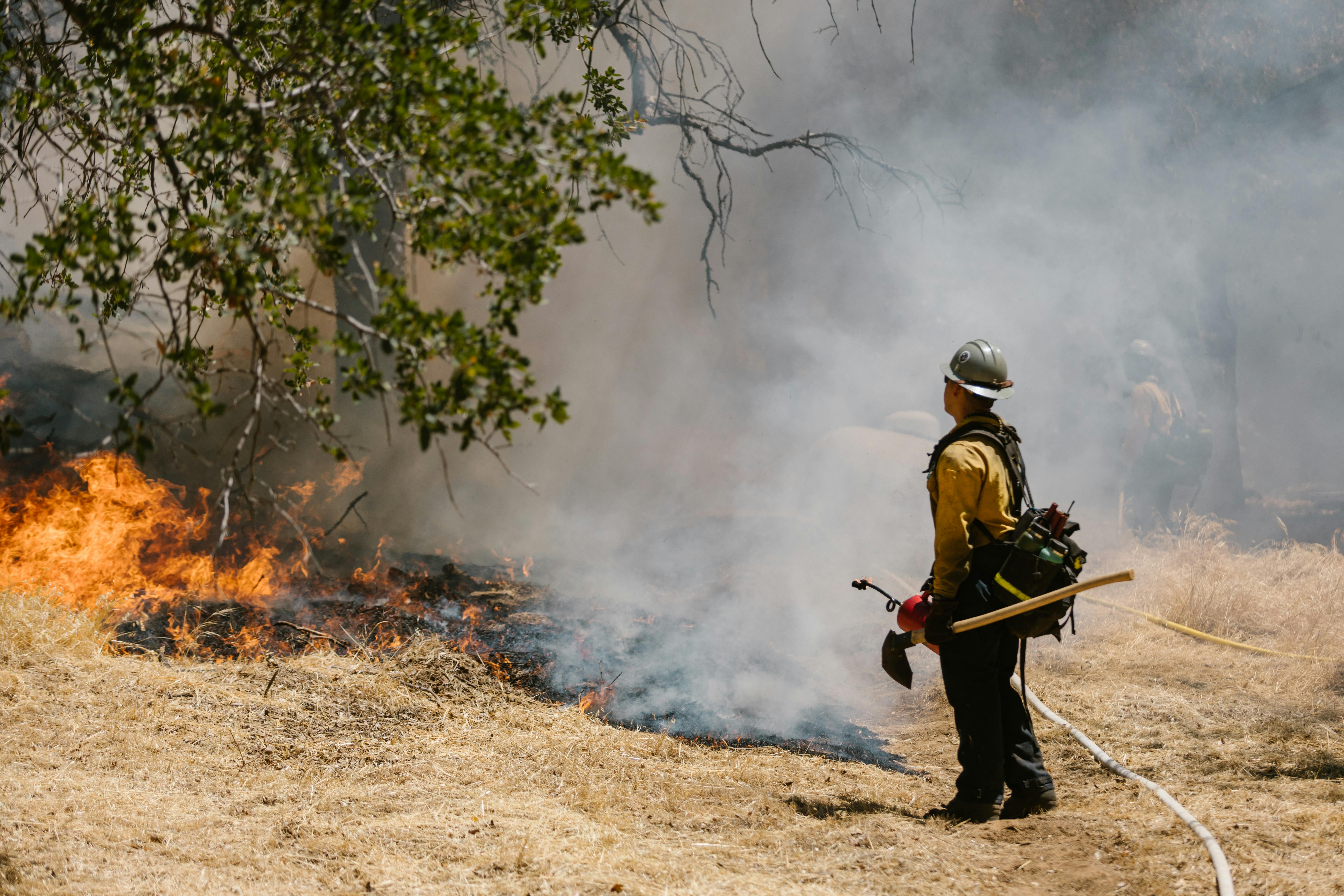
Climate change is no longer a distant threat discussed only in science conferences or environmental documentaries; it’s here, and it’s shaping the way we live right now. Rising global temperatures, shifting weather patterns, and increased extreme weather events are not abstract ideas; they’re influencing everything from the cost of groceries to our daily routines. Understanding how these changes impact everyday life can help us make more informed choices and adapt to a rapidly changing world.
1. Food prices and availability
One of the clearest ways climate change affects your daily life is through your plate. Extreme weather events, such as droughts, floods, and heatwaves, disrupt crop production and livestock farming. This leads to reduced supply and higher prices for everyday staples like bread, rice, meat, and vegetables. Seasonal foods may become more expensive or harder to find, and certain ingredients you once enjoyed year-round might become rare treats.
2. Health and Well-being
Changing climates are influencing human health in several ways. Longer allergy seasons are emerging due to increased pollen production, while rising temperatures are contributing to heat-related illnesses. Air quality is also suffering as hotter conditions can intensify smog and pollution, which aggravates respiratory problems like asthma. Additionally, the spread of diseases carried by mosquitoes and ticks, such as malaria and Lyme disease, is expanding into new regions as warmer climates create suitable habitats for these pests.
3. Higher utility bills
Extreme heat and cold mean more energy is needed for cooling and heating, leading to higher electricity and gas bills. Heatwaves can push air conditioning use to record levels, straining power grids and sometimes causing blackouts. Conversely, colder-than-usual winters increase heating demand. This not only affects household budgets but also puts added pressure on energy infrastructure.
4. Water availability and quality
Climate change is affecting water supply through altered rainfall patterns and increased evaporation rates. Some regions are experiencing prolonged droughts, forcing water restrictions and higher costs. In other areas, intense storms can overwhelm infrastructure, contaminating water supplies and making them unsafe. You may notice changes such as stricter usage rules, increased water bills, or even advisories to boil water before drinking.
5. Changes to daily commutes and travel plans
From flooded roads to canceled flights, climate change is making travel less predictable. Extreme weather events can delay public transportation, damage infrastructure, and increase travel costs. Rising sea levels and storms are already affecting coastal roads and airports, forcing communities to adapt. Even short commutes might be disrupted by more frequent heavy rains or snowstorms in regions that previously had mild climates.
6. Lifestyle and leisure activities
The hobbies and activities you enjoy may be affected too. Ski resorts are experiencing shorter seasons due to less snow, while some beaches are dealing with coastal erosion. Outdoor sports and festivals are increasingly vulnerable to weather-related disruptions, leading to cancellations or reduced attendance. Even gardening is changing, as shifting climate zones alter planting seasons and the types of plants that can thrive in certain areas.
7. Mental health impacts
The stress of living with climate-related challenges, such as financial strain from rising costs, anxiety about future environmental conditions, or recovering from a natural disaster- can take a toll on mental well-being. Climate anxiety is becoming more common, especially among younger generations who are concerned about the long-term future of the planet.
While the effects of climate change are significant, there are ways to adapt. Supporting renewable energy, reducing waste, conserving water, and making sustainable lifestyle choices can help mitigate further harm. Staying informed and involved in local climate initiatives can also empower communities to prepare for and adapt to changes.
In short, climate change is not a far-off issue, it’s shaping our lives every day. By recognizing its influence on food, health, finances, and leisure, we can better prepare ourselves and work collectively toward a more sustainable future.